Work together!

im.tsengchiwei@gmail.com

© 2025 KIWI TSENG. All Rights Reserved.

Client

Nan Shan Life Insurance

Duration

1 Year (Feb 2022 - Feb 2023)

My Role

UX Designer

Responsibilities

  • User Research, Stakeholder Workshop, Usability Testing
  • Product Strategy, IA, Wireframing, Prototyping, Design Spec

Collaborators

  • Team: 1 PM, 2 UX Researchers, 2 Designers
  • Client: Product Owner, Cross-Functional Departments, Engineering Team

Due to confidentiality, details are limited — happy to walk through more in a private conversation.

PROJECT OVERVIEW

Empowering Sales Agents with Mobile Service — Built from the Ground Up

As part of its digital transformation, Nan Shan Life Insurance, one of Taiwan’s largest insurers, set out to build a mobile platform for over 30,000 field agents. The goal was to enable agents to manage client services and sales tasks on the go, with greater speed and autonomy.

This project required aligning internal systems, uncovering real user needs, bridging gaps between business units and frontline users, and securing cross-functional buy-in.

I worked as a main UX designer, contributing to user research, strategy alignment, and the end-to-end UX design of this new mobile platform.

MY ROLE & CONTRIBUTION

Collaborative UX Design Across Discovery, Co-creation, and Delivery

I was the main UX designer working alongside cross-functional teams throughout this year-long project.

My core responsibilities centered on translating research insights into actionable design strategies and driving UX execution from early concepts to final delivery.

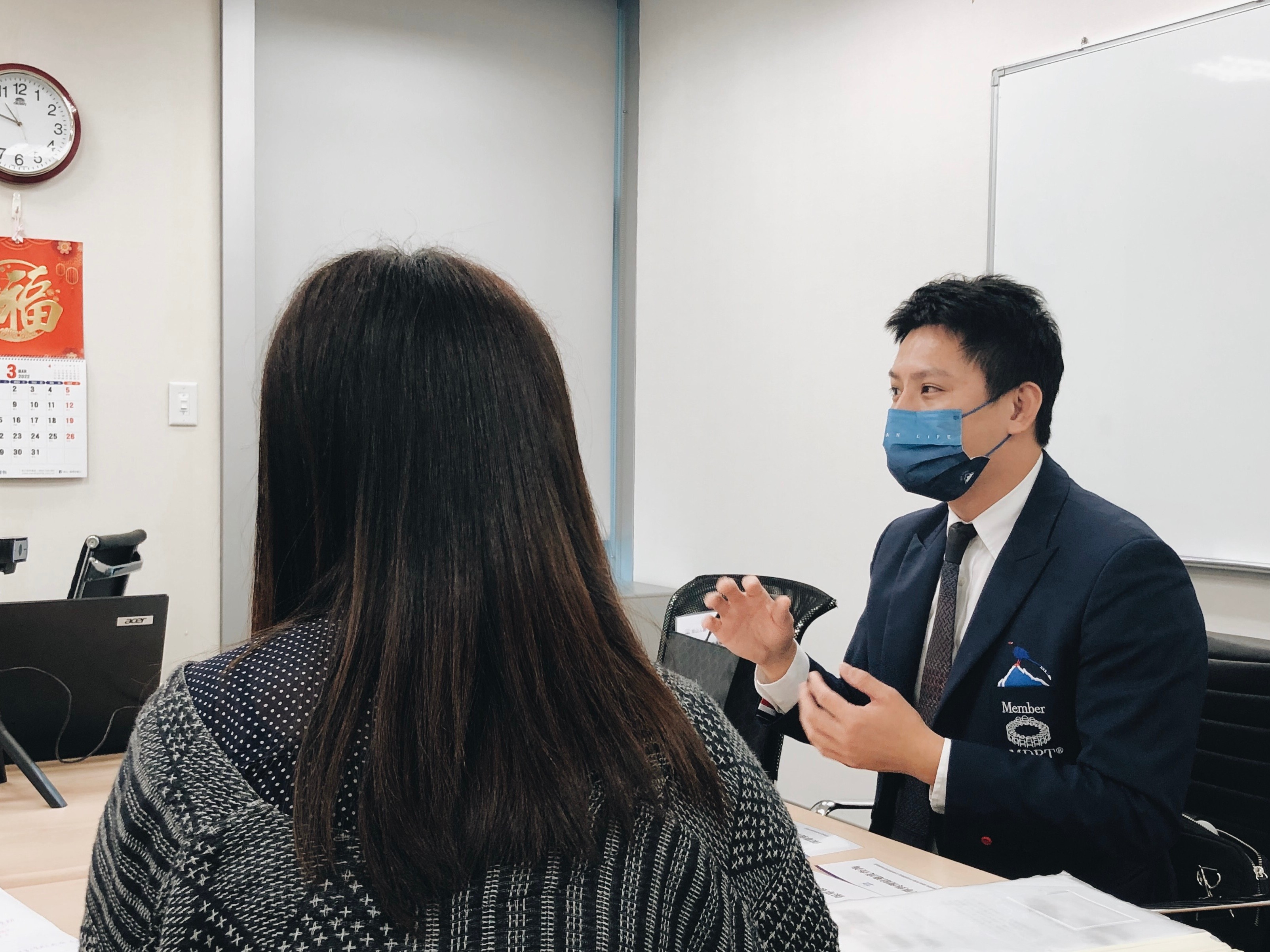
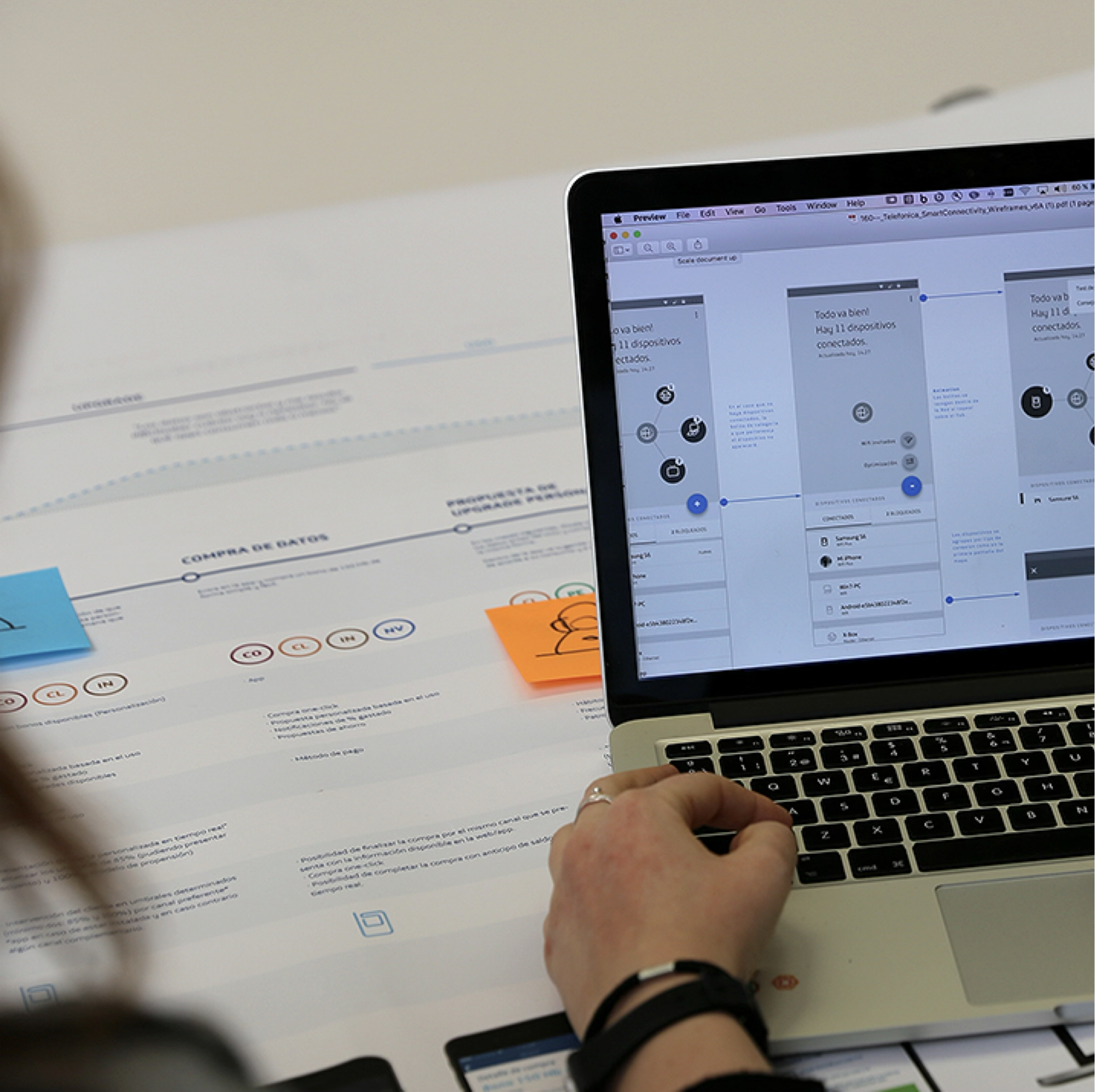
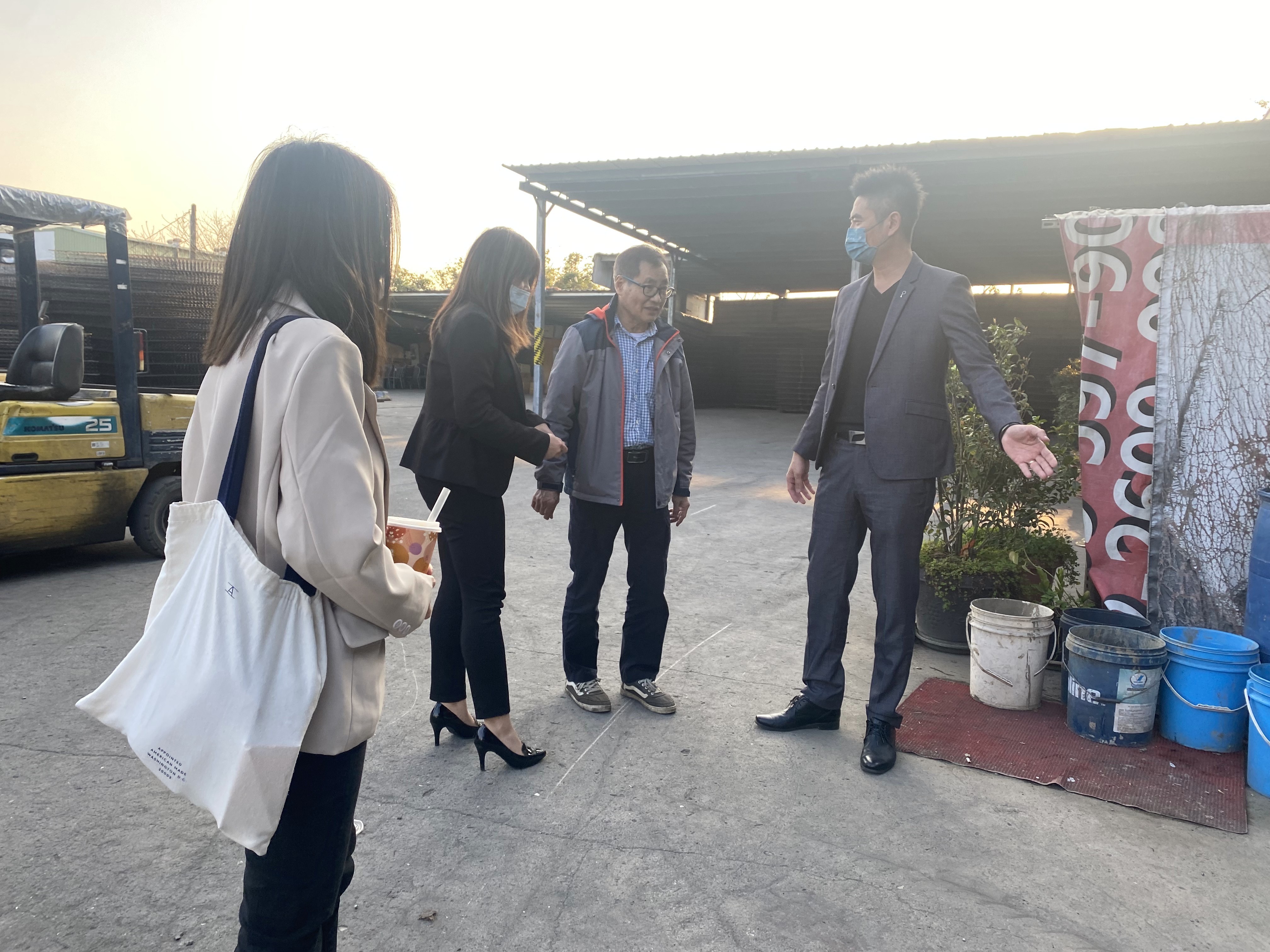
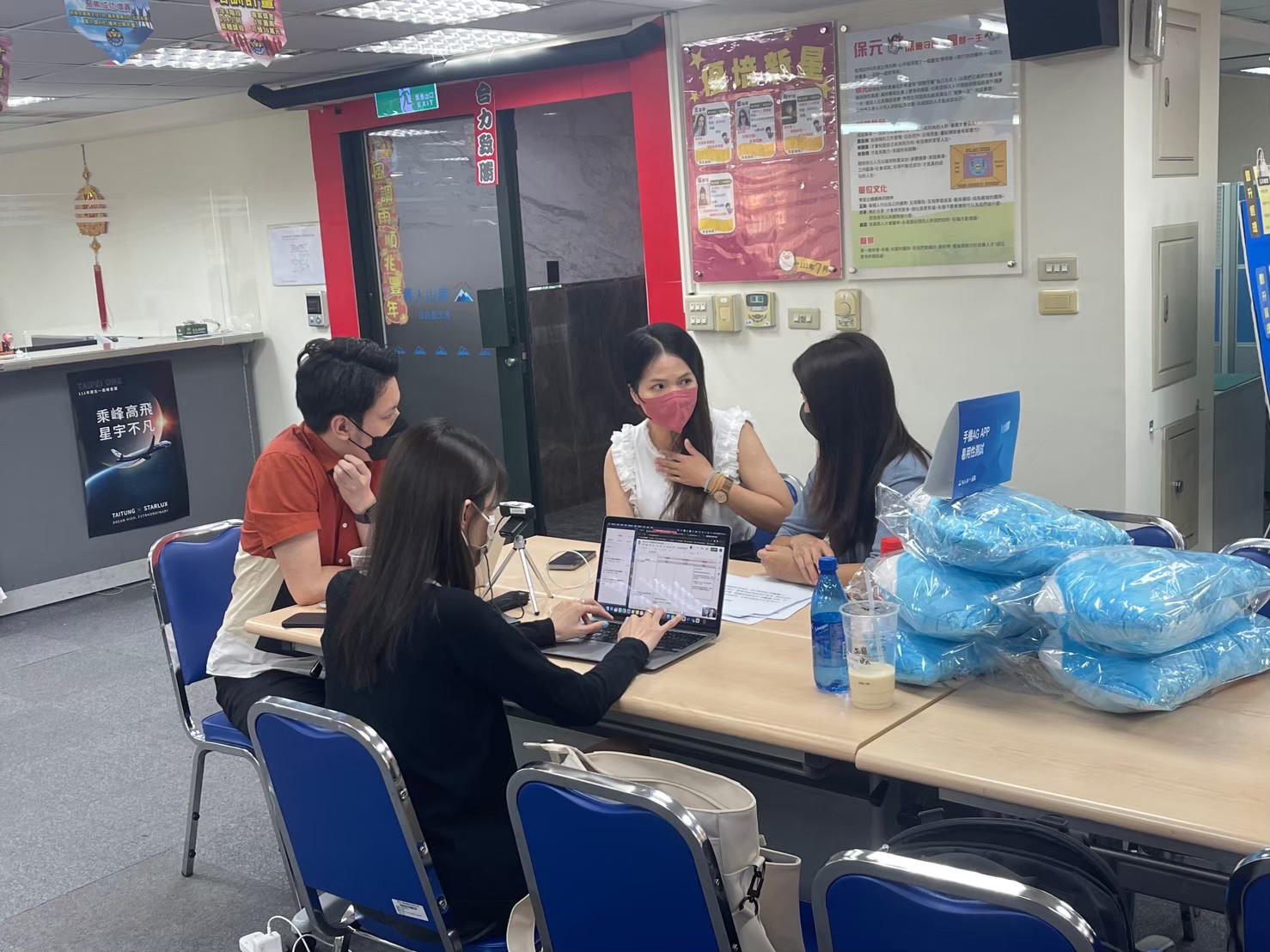
  • Participated in 40+ interviews, 2 agent shadowing sessions, and 50+ usability tests, gaining deep context into real-world agent workflows.
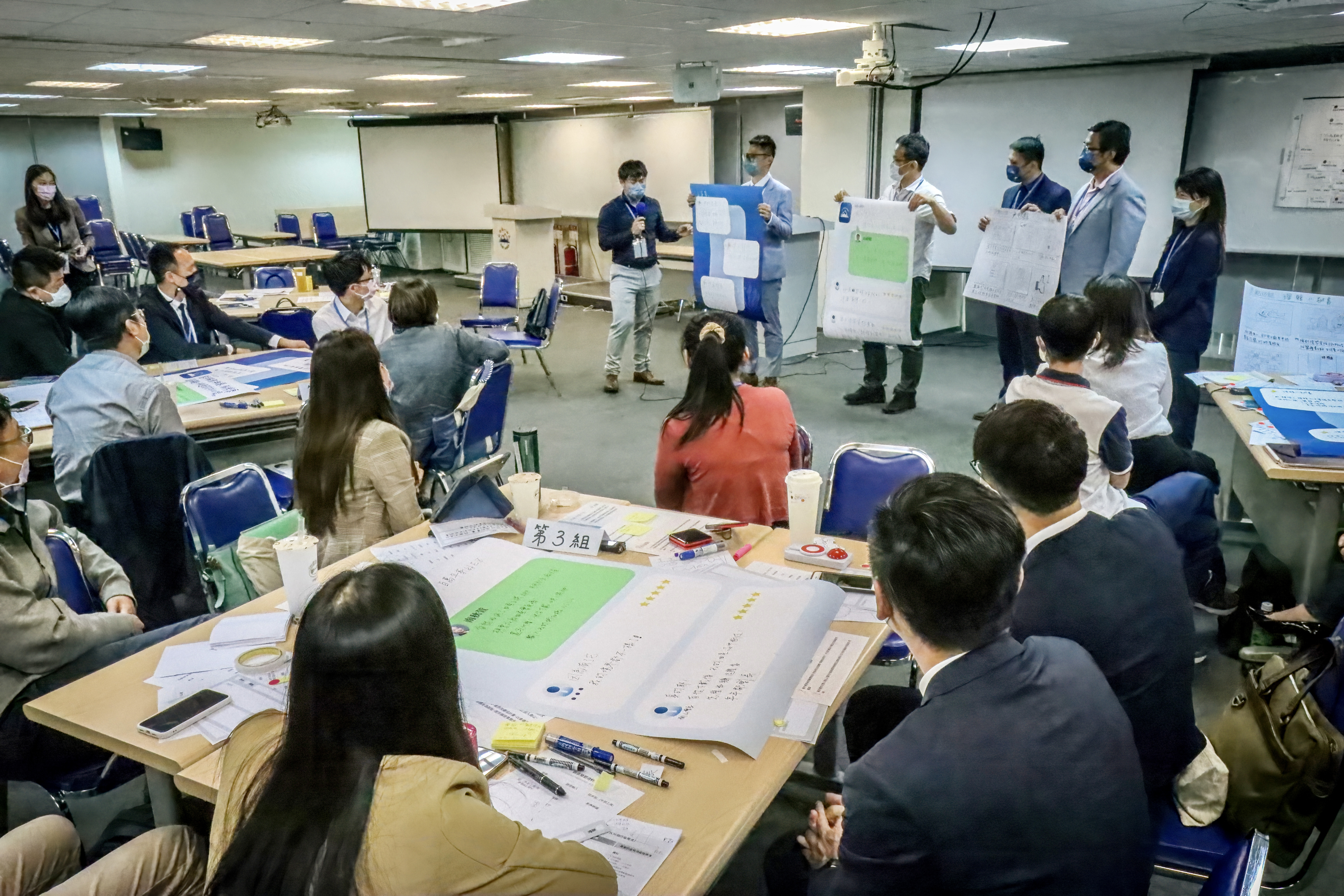
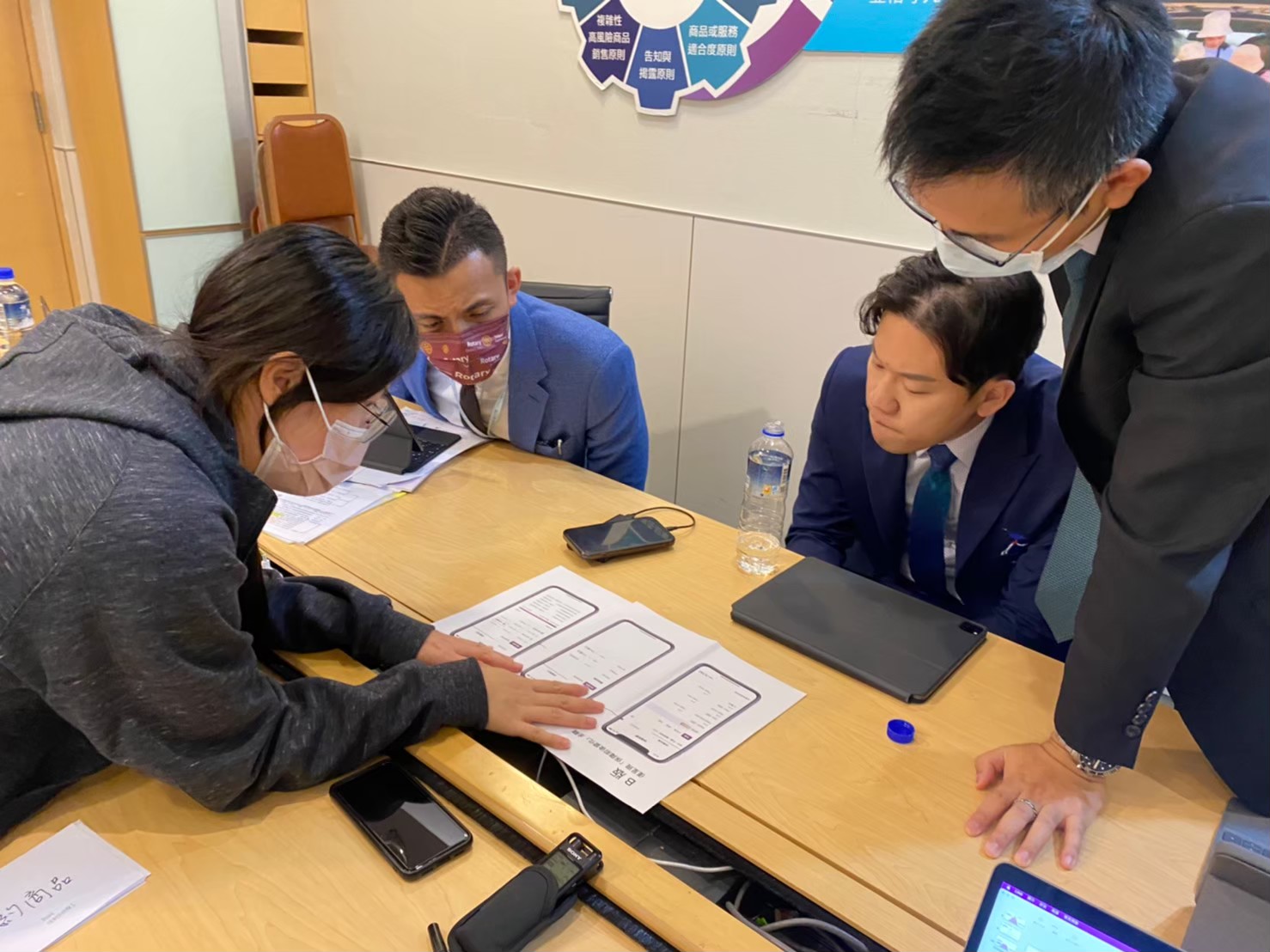
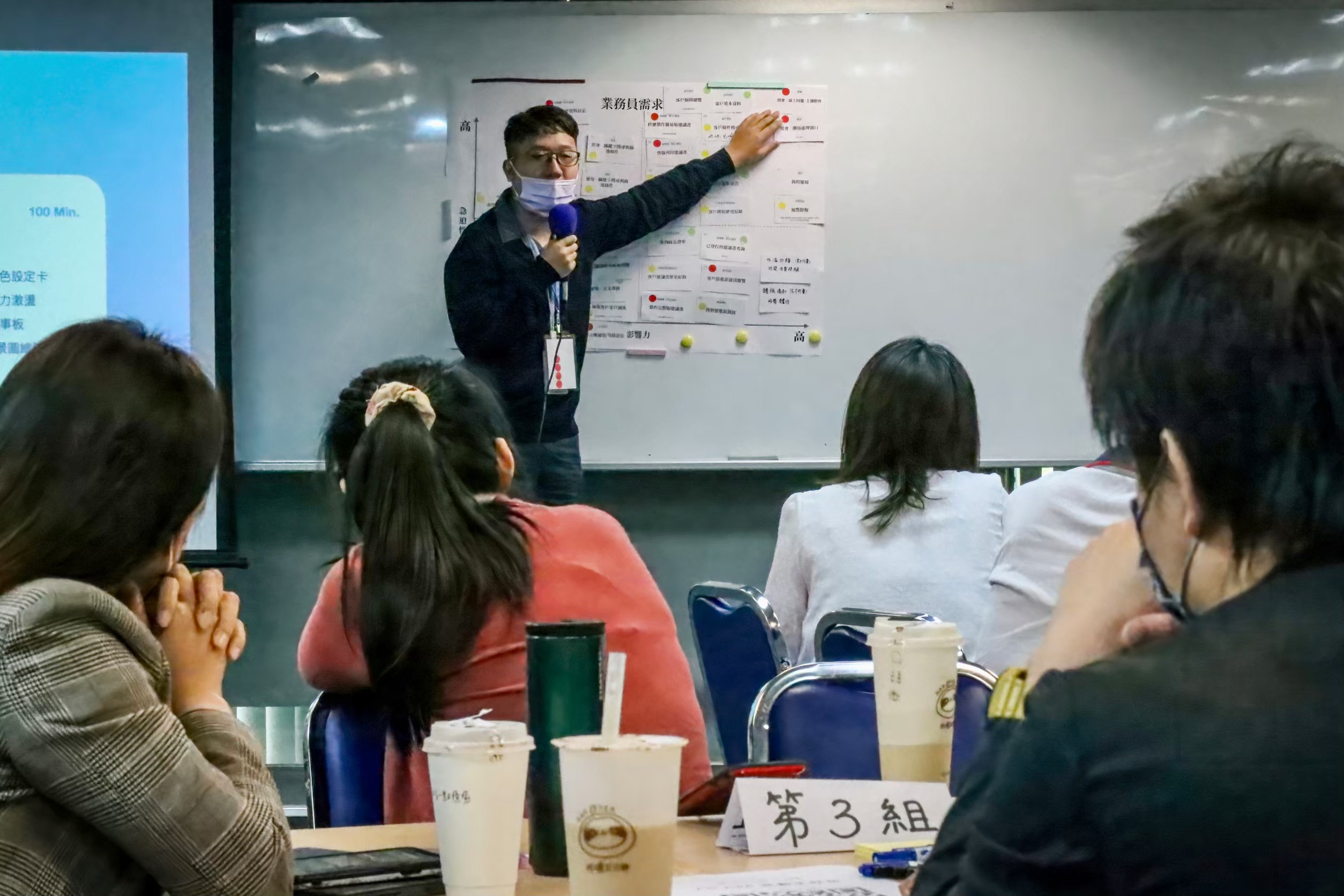
  • Co-planned a co-creation workshop to align internal stakeholders and frontline agents on product priorities.
  • Translated research insights into user flows, wireframes, and mid-to-high fidelity concepts.
  • Proposed and iterated on multiple UX directions balancing agent needs, business constraints and technical feasibility.
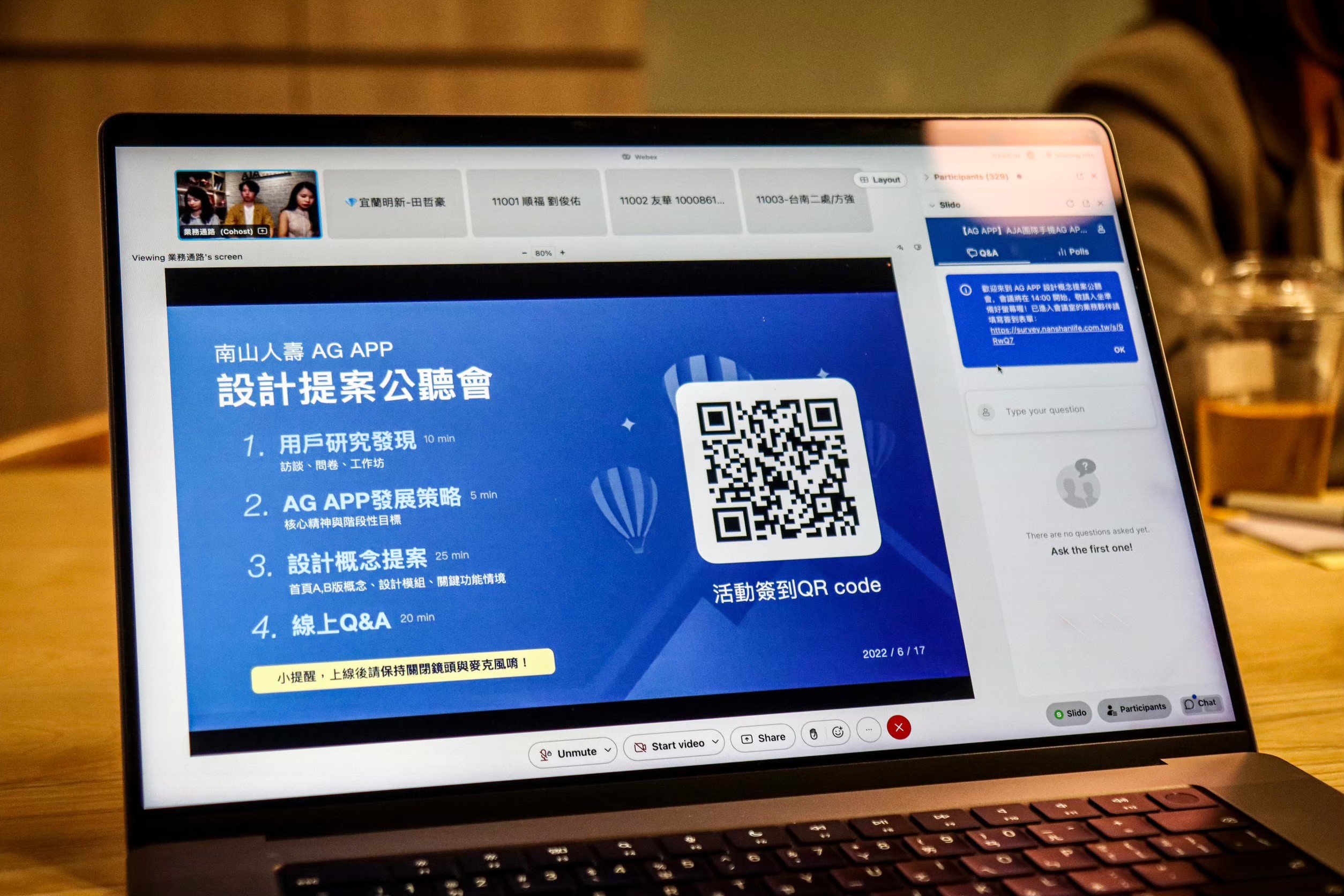
  • Presented design proposals to 500+ stakeholders in a live-streamed session.
  • Delivered scalable, modular design specs, collaborating closely with developers and business teams.

PROBLEM

Legacy Tools Failed to Meet the Realities of Mobile Sales Work

Existing digital tools were fragmented, outdated, and primarily desktop-based. Insurance agents, who operate in dynamic, mobility-heavy environments, often struggled with inefficient workflows, slow systems, and disjointed systems—hindering their ability to serve clients on the go.

CHALLENGE

Designing for Complexity Across Users, Systems, and Departments

How might we design a mobile-first experience built around real-world agent needs, while aligning priorities across cross-functional internal teams and legacy systems?

GOAL

Empowering Agents with a Faster, More Connected Mobile Workflow

Create a mobile-first platform that empowers over 30,000 sales agents to work more efficiently in the field—simplifying key tasks, improving access to information, and strengthening trust between headquarters and the agents.

RESEARCH INSIGHT

Designing for Mobile Meant Enabling Agents to Act—Not Just Access

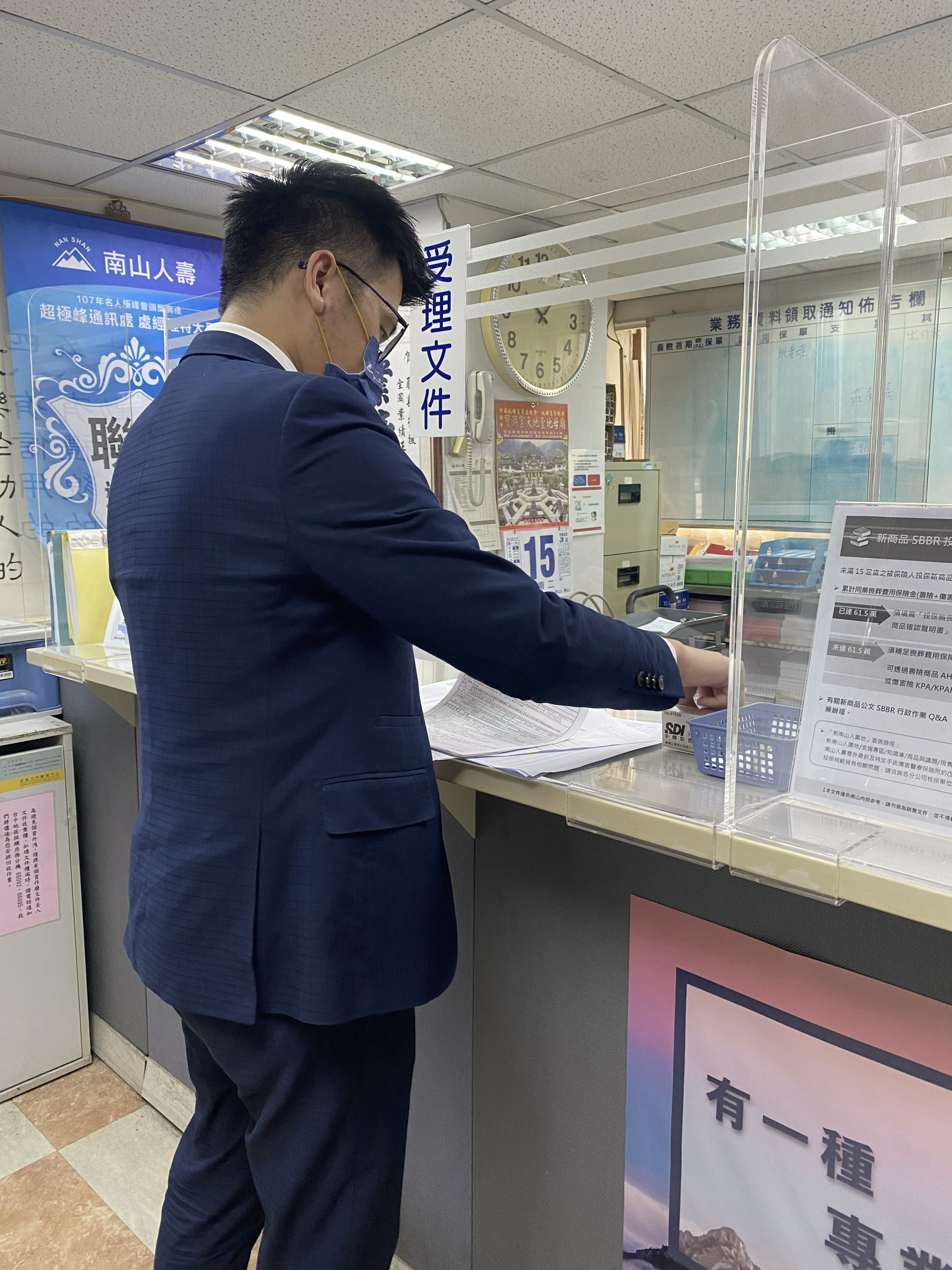
Through field shadowing and in-depth interviews with agents across different backgrounds, we found that fragmented tools didn’t just cause inconvenient—they disrupted key sales moments.

Agents often couldn’t respond to client needs on the spot while in the field, due to missing information, lagging systems, or multi-step flows that didn’t align with their mental models.

These insights shaped our direction: to design task-focused, lightweight workflows optimized for mobile urgency.

PRODUCT STRATEGY

Defining a Shared Foundation for Focused Execution and Growth

1

Device Roles & Usage

Mapping how each digital touchpoint—especially mobile—supports agent workflows across contexts and moments of use.

2

Product Core Value

Aligning on the product’s purpose: enabling agents to act with speed, clarity, and professionalism in the field.

3

Phased Rollout Plan

Structuring delivery priorities based on user needs, business goals, and technical feasibility—supporting modular, staged implementation.

DESIGN APPROACH

Co-creating with Agents to

Build Trust, Clarity, and Relevance

Unlike typical top-down enterprise projects, this initiative empowered agents to directly influence the design process. Participation wasn’t symbolic—it was operationalized at every stage.

This participatory process not only uncovered actionable insights, but also established mutual trust—positioning the product as a tool shaped with agents, not just for them.

Early Discovery

Surfacing Needs and Pain Points

  • 700+ Survey Responses
  • 28 In-depth Interviews
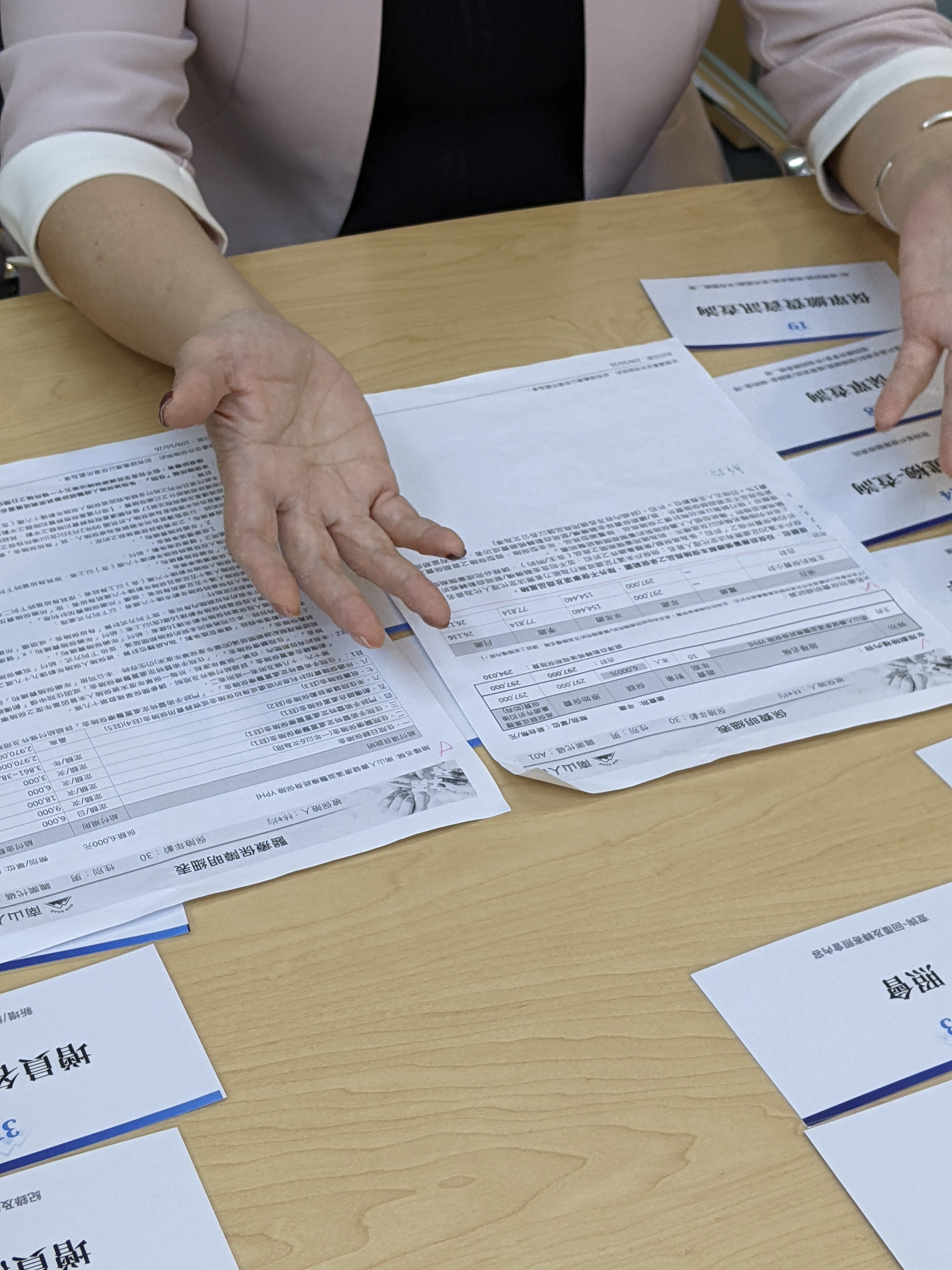
  • 5 Full-day User Shadowings

Product Strategy

Shaping Priorities and Directions

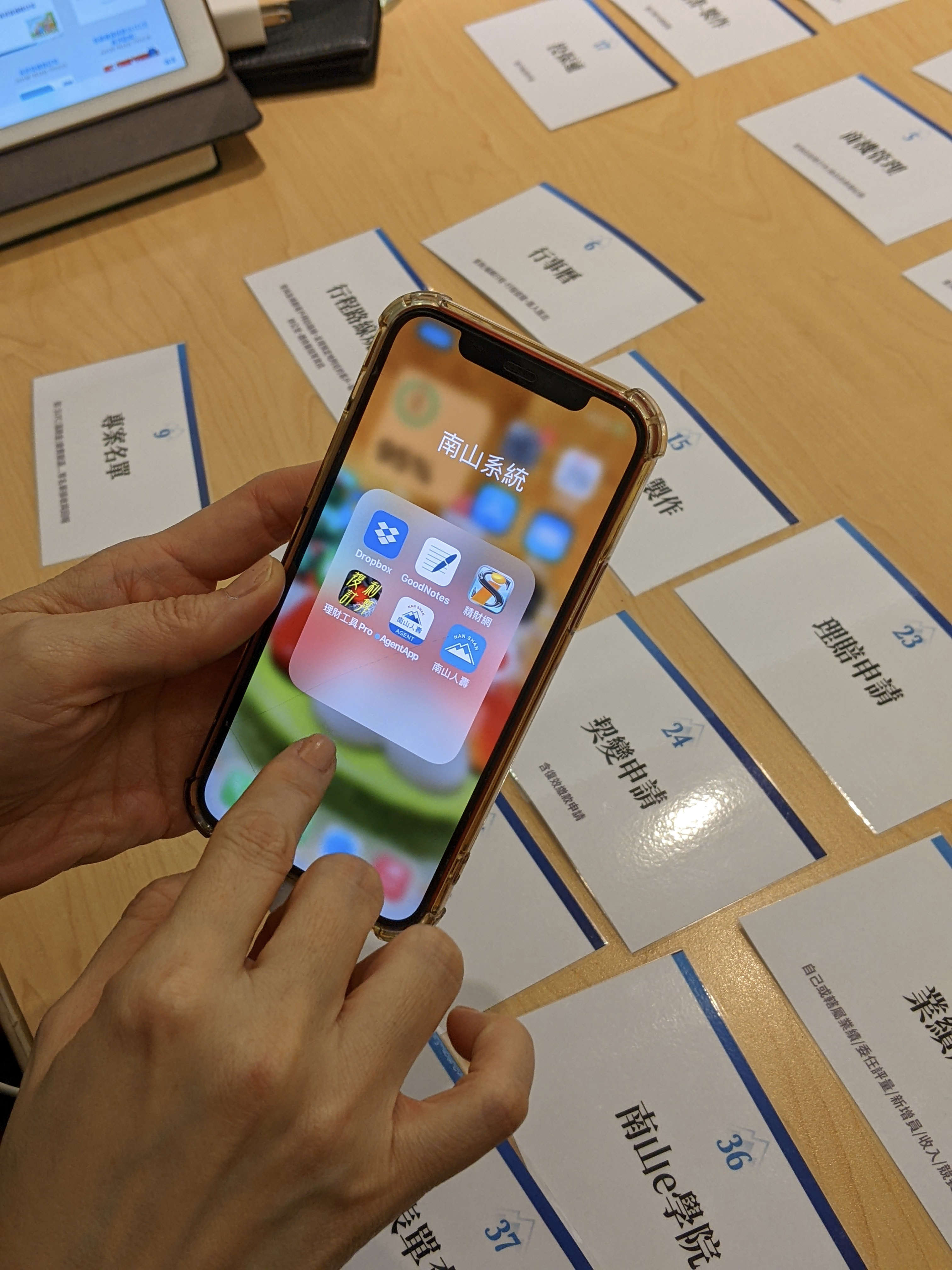
  • A Cross-functional Workshop
  • A Live Design Hearing with 500+ Agents
  • 300+ Design Feedback Survey Responses

Design Development

Offering Practical Feedback

  • 5-person Agent Advisory Board
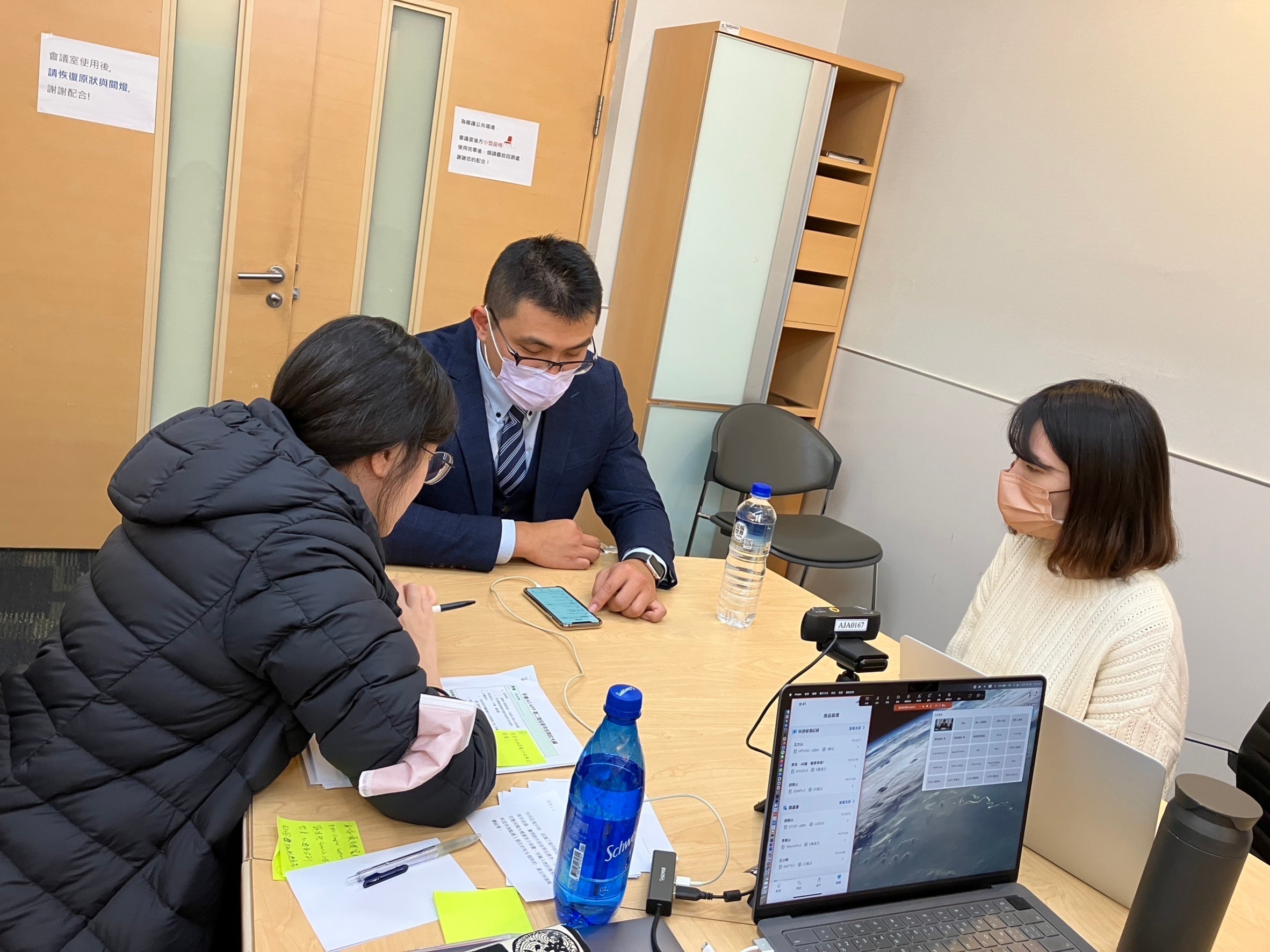
  • 50+ Usability Testings
  • 2 Focus Group Interviews

DESIGN SOLUTION

Delivering a Task-Centered, Modular UX for Mobile Productivity

01

CUSTOMIZED

PRODUCTIVITY TOOL

Simplifying Task Management

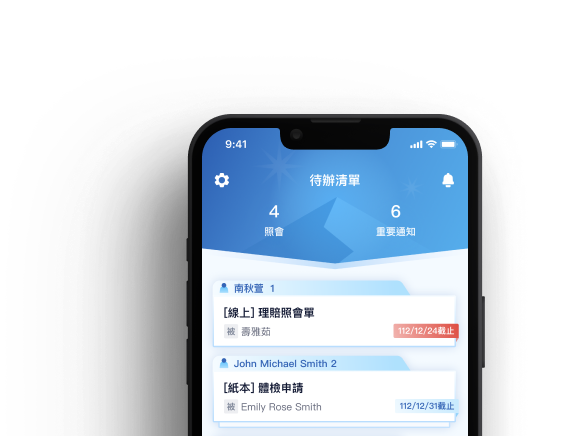
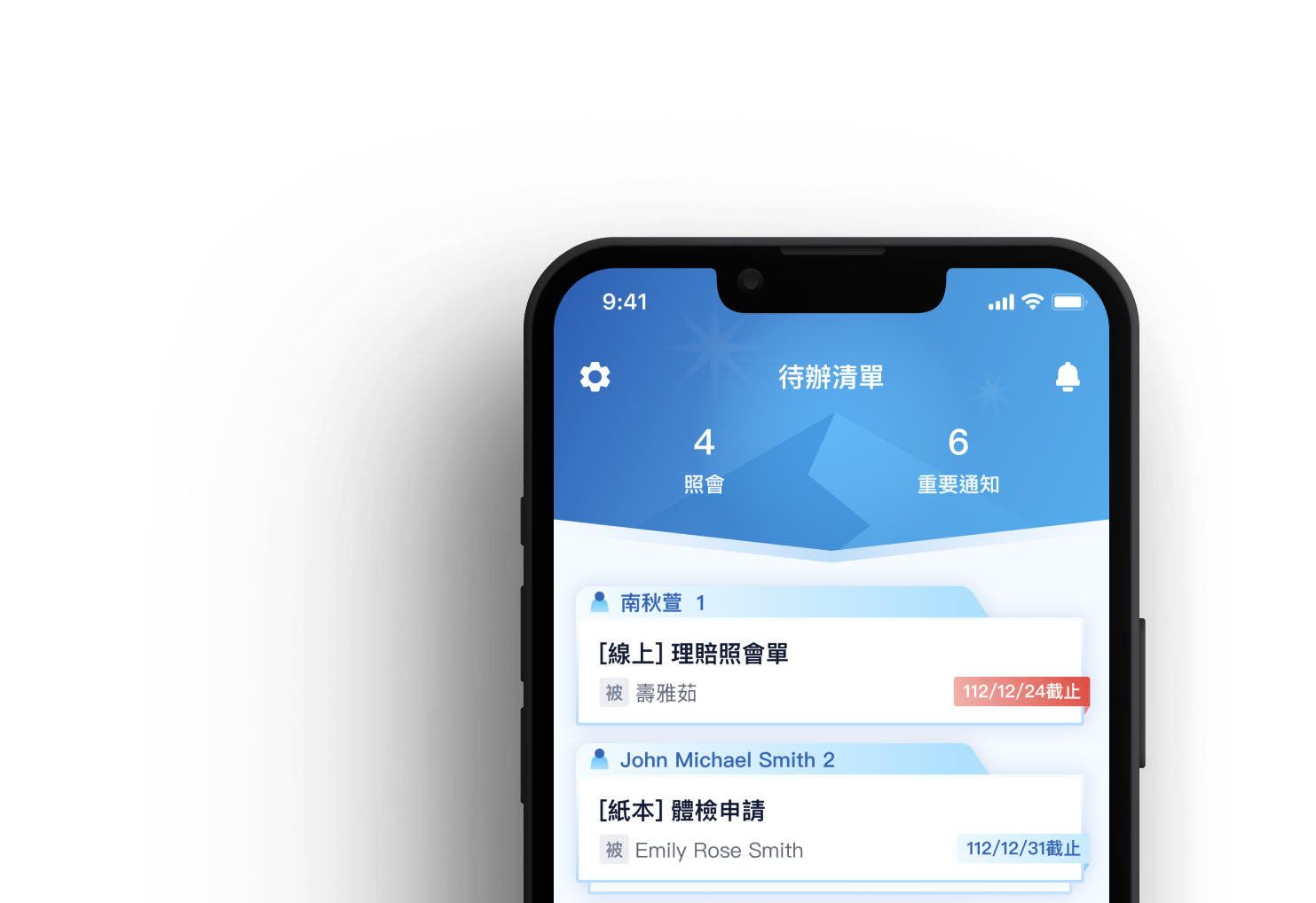
Designing a clean, card-based interface that highlights current to-dos and enables quick actions through micro-interactions and real-time case updates.

02

MODULAR

DESIGN

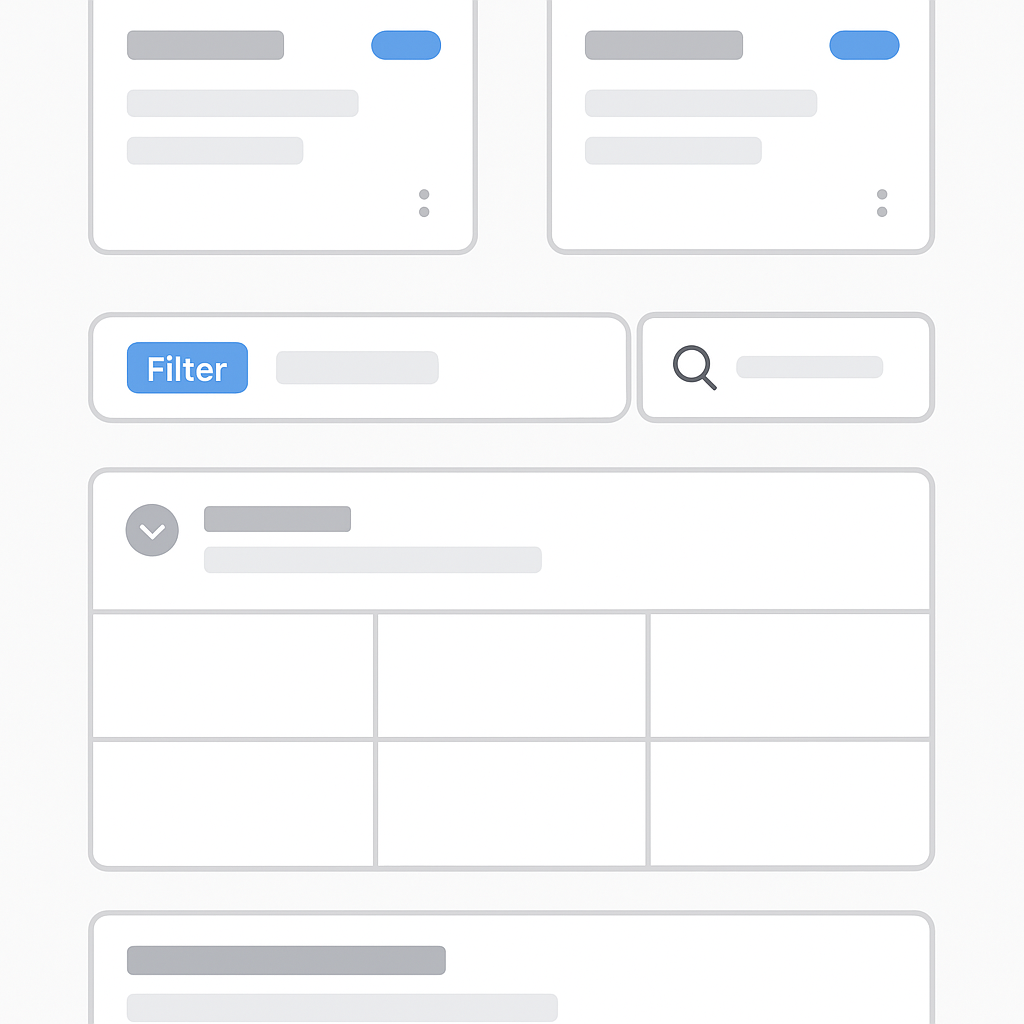
Structuring Information for Clarity

Breaking down complex data into modular, scannable units using progressive disclosure and enhanced filters—making it easier for agents to find, read, and act on what matters.

03

GUIDED

FLOW

Reframing Multi-Step Navigation

Streamlining complex tasks into guided flows with clear step indicators, inline results, and real-time simulations—helping agents deliver personalized service on the spot.

04

DESIGN

SYSTEM

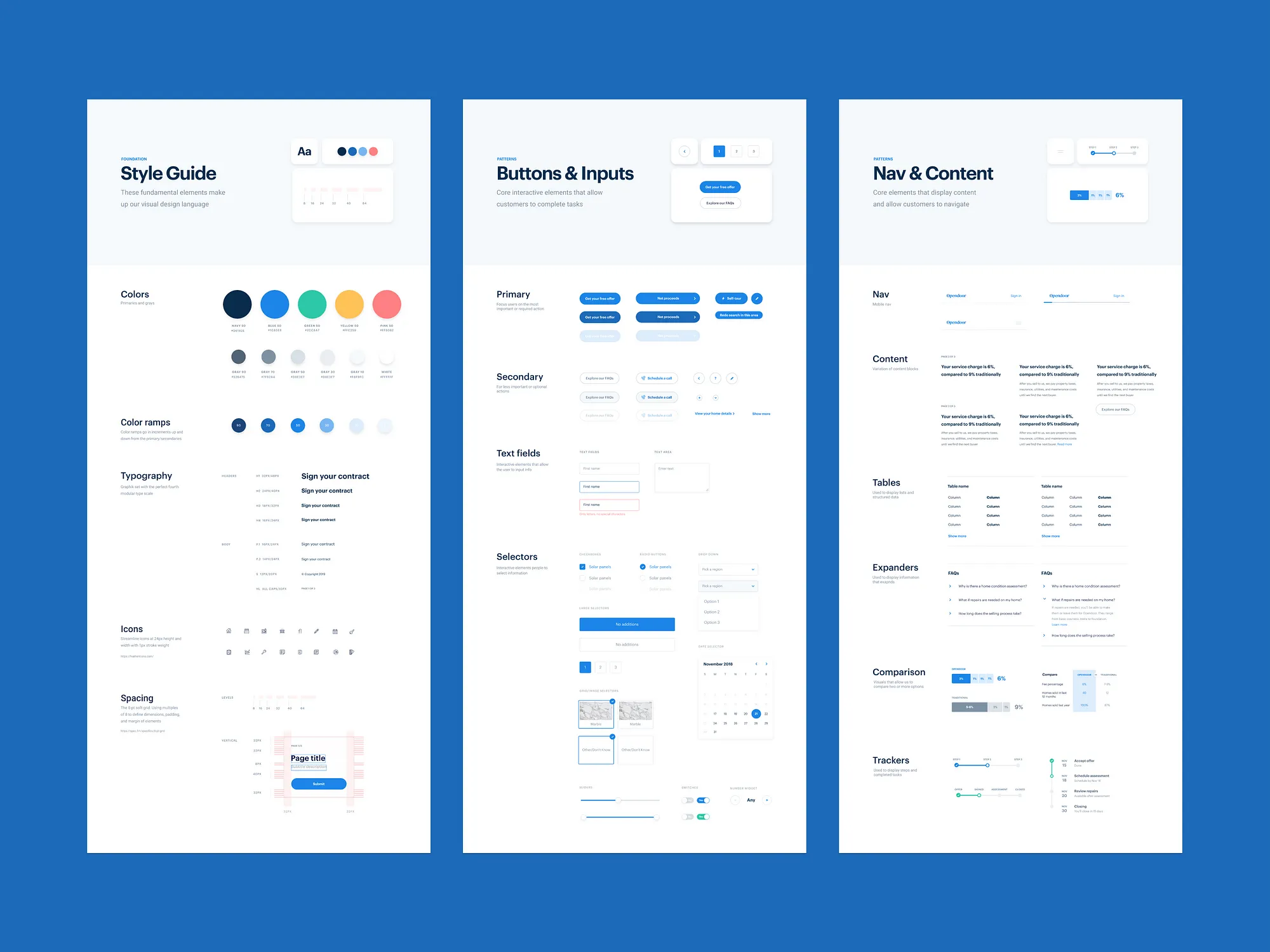
Systematizing Design for Consistency

Building a unified design system covering layout, hierarchy, and interaction patterns—reducing cognitive load and enabling scalable development across teams.

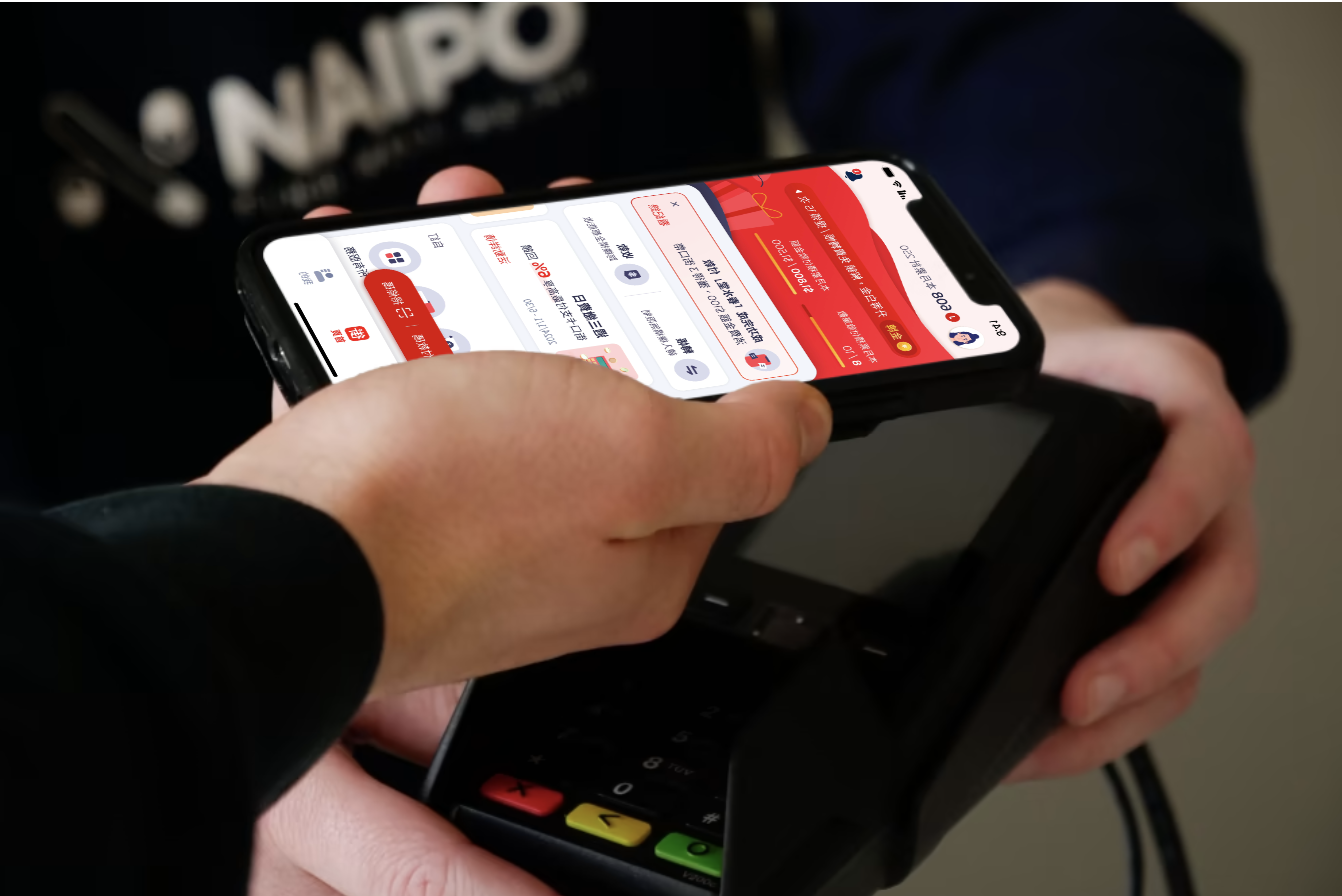
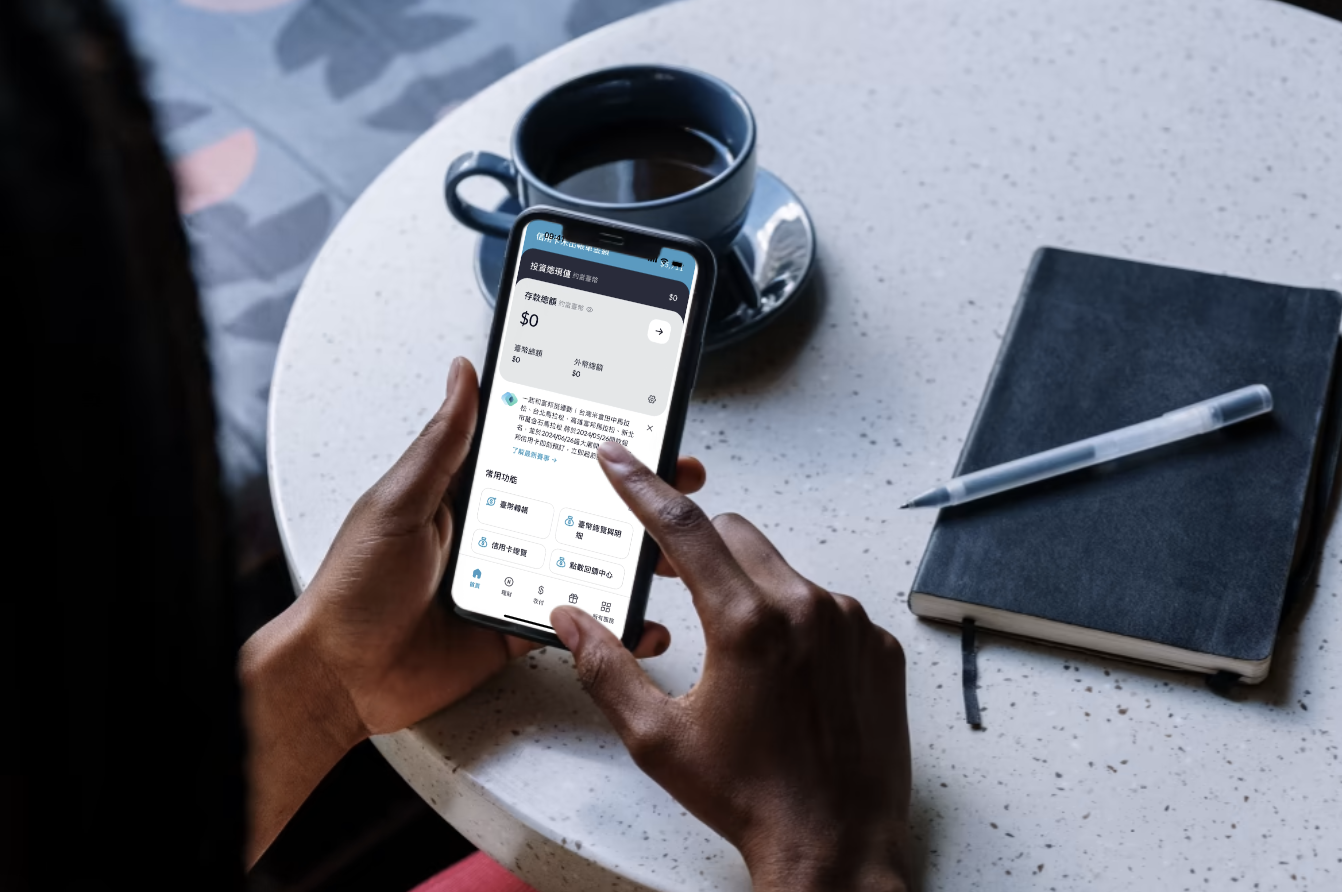
Illustrative mockup only, not actual product design.

IMPACT

Empowering Agents and Building Momentum for Scalable Transformation

This project laid a scalable UX foundation for future internal tools—while winning trust from frontline agents and driving real business impact.

60 %

Fewer Steps for Core Workflows

Key processes were restructured and simplified—helping agents complete tasks faster and improve response time in field scenarios.

9/10

Usefulness for Daily Work

Based on post-design hearing survey from 300+ agents. Results confirmed strong alignment with their day-to-day needs.

Stronger Cross-Team Alignment & Trust

The participatory design process strengthened buy-in across departments and agents, setting a foundation for long-term collaboration and digital transformation.

Scalable UX Patterns for Future Tools

Modular interaction models, reusable components, and scalable flow logic were created to serve as a foundation for future internal tool development across the organization.

“This design really fits our real needs. If the app performs smoothly, this will be the best update in the past decade.”

“The demo looks like it solves 80% of our current problems. I can’t wait for it to launch.”

“Thank you for involving us. We can feel that you really listened.”

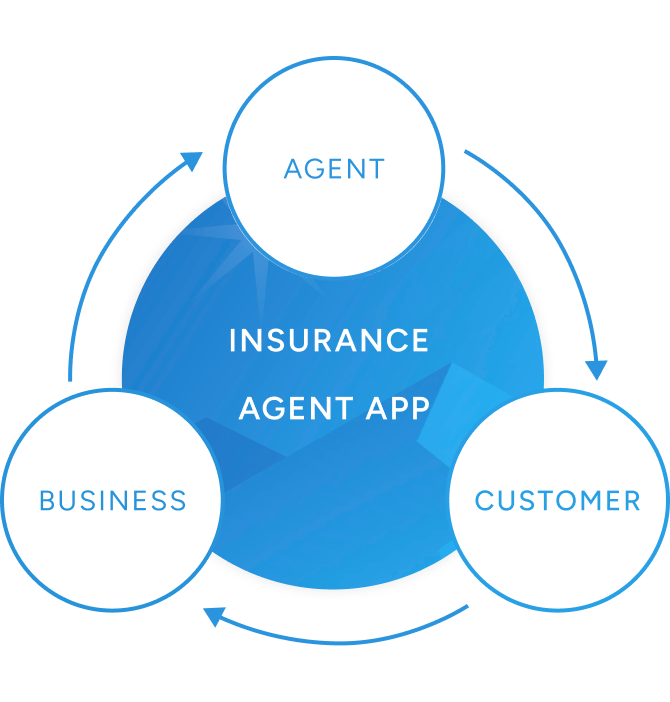
Value Across Business, Agents, and Customers

BUSINESS

Reduced Redundant Costs

Lowered training and promotion costs thanks to intuitive UX.


AGENT

Timely Service

Faster client service and improved accuracy in field tasks.


CUSTOMER

Improved Satisfaction

More immediate support and a smoother service experience.

TESTIMONIAL

““Kiwi is one of the most reliable and pleasant partners I’ve worked with. Her design quality and communication—both with the internal team and clients—have earned her consistent trust and positive feedback.”

— Project Manager, AJA

“Detail-oriented, logical, and reliable—Kiwi often shares relevant insights or background materials even before others ask, and always brings thoughtful, objective input that helps shape team decisions.”

— Design Lead, AJA

Due to confidentiality, details are limited — happy to walk through more in a private conversation.

Built a mobile platform for 30,000+ insurance agents, streamlining workflows by 60%

B2B APP

Due to confidentiality, details are limited — happy to walk through more in a private conversation.

Client

Nan Shan Life Insurance

Duration

1 Year (Feb 2022 - Feb 2023)

My Role

UX Designer

Responsibilities

  • User Research, Stakeholder Workshop, Usability Testing
  • Product Strategy, IA, Wireframing, Prototyping, Design Spec

Collaborators

  • Team: 1 PM, 2 UX Researchers, 2 Designers
  • Client: Product Owner, Cross-Functional Departments, Engineering Team

PROJECT OVERVIEW

Empowering Sales Agents with Mobile Service —

Built from the Ground Up

As part of its digital transformation, Nan Shan Life Insurance, one of Taiwan’s largest insurers, set out to build a mobile platform for over 30,000 field agents. The goal was to enable agents to manage client services and sales tasks on the go, with greater speed and autonomy.

This project required aligning internal systems, uncovering real user needs, bridging gaps between business units and frontline users, and securing cross-functional buy-in.

I worked as a main UX designer, contributing to user research, strategy alignment, and the end-to-end UX design of this new mobile platform.

MY ROLE & CONTRIBUTION

Collaborative UX Design Across Discovery, Co-creation, and Delivery

I was the main UX designer working alongside cross-functional teams throughout this year-long project.

My core responsibilities centered on translating research insights into actionable design strategies and driving UX execution from early concepts to final delivery.

  • Participated in 40+ interviews, 2 agent shadowing sessions, and 50+ usability tests, gaining deep context into real-world agent workflows.
  • Co-planned a co-creation workshop to align internal stakeholders and frontline agents on product priorities.
  • Translated research insights into user flows, wireframes, and mid-to-high fidelity concepts.
  • Proposed and iterated on multiple UX directions balancing agent needs, business constraints and technical feasibility.
  • Presented design proposals to 500+ stakeholders in a live-streamed session.
  • Delivered scalable, modular design specs, collaborating closely with developers and business teams.

PROBLEM

Legacy Tools Failed to Meet the Realities of Mobile Sales Work

Existing digital tools were fragmented, outdated, and primarily desktop-based. Insurance agents, who operate in dynamic, mobility-heavy environments, often struggled with inefficient workflows, slow systems, and disjointed systems—hindering their ability to serve clients on the go.

CHALLENGE

Designing for Complexity Across Users, Systems, and Departments

How might we design a mobile-first experience built around real-world agent needs, while aligning priorities across cross-functional internal teams and legacy systems?

GOAL

Empowering Agents with a Faster, More Connected Mobile Workflow

Create a mobile-first platform that empowers over 30,000 sales agents to work more efficiently in the field—simplifying key tasks, improving access to information, and strengthening trust between headquarters and the agents.

RESEARCH INSIGHT

Designing for Mobile Meant Enabling Agents to Act—Not Just Access

Through field shadowing and in-depth interviews with agents across different backgrounds, we found that fragmented tools didn’t just cause inconvenient—they disrupted key sales moments.

Agents often couldn’t respond to client needs on the spot while in the field, due to missing information, lagging systems, or multi-step flows that didn’t align with their mental models.

These insights shaped our direction: to design task-focused, lightweight workflows optimized for mobile urgency.

PRODUCT STRATEGY

Defining a Shared Foundation for Focused Execution and Growth

1

Device Roles & Usage

Mapping how each digital touchpoint—especially mobile—supports agent workflows across contexts and moments of use.

2

Product Core Value

Aligning on the product’s purpose: enabling agents to act with speed, clarity, and professionalism in the field.

3

Phased Rollout Plan

Structuring delivery priorities based on user needs, business goals, and technical feasibility—supporting modular, staged implementation.

DESIGN APPROACH

Co-creating with Agents to

Build Trust, Clarity, and Relevance

Unlike typical top-down enterprise projects, this initiative empowered agents to directly influence the design process. Participation wasn’t symbolic—it was operationalized at every stage.

This participatory process not only uncovered actionable insights, but also established mutual trust—positioning the product as a tool shaped with agents, not just for them.

Early Discovery

Surfacing Needs and Pain Points

  • 700+ Survey Responses
  • 28 In-depth Interviews
  • 5 Full-day User Shadowings

Product Strategy

Shaping Priorities and Directions

  • A Cross-functional Workshop
  • A Live Design Hearing with 500+ Agents
  • 300+ Design Feedback Survey Responses

Design Development

Offering Practical Feedback

  • 5-person Agent Advisory Board
  • 50+ Usability Testings
  • 2 Focus Group Interviews

DESIGN SOLUTION

Delivering a Task-Centered, Modular UX for Mobile Productivity

01

CUSTOMIZED

PRODUCTIVITY TOOL

Simplifying Task Management

Designing a clean, card-based interface that highlights current to-dos and enables quick actions through micro-interactions and real-time case updates.

02

MODULAR

DESIGN

Structuring Information for Clarity

Breaking down complex data into modular, scannable units using progressive disclosure and enhanced filters—making it easier for agents to find, read, and act on what matters.

03

GUIDED

FLOW

Reframing Multi-Step Navigation

Streamlining complex tasks into guided flows with clear step indicators, inline results, and real-time simulations—helping agents deliver personalized service on the spot.

04

DESIGN

SYSTEM

Systematizing Design for Consistency

Building a unified design system covering layout, hierarchy, and interaction patterns—reducing cognitive load and enabling scalable development across teams.

Illustrative mockup only, not actual product design.

IMPACT

Empowering Agents and Building Momentum for Scalable Transformation

This project laid a scalable UX foundation for future internal tools—while winning trust from frontline agents and driving real business impact.

60 %

Fewer Steps for Core Workflows

Key processes were restructured and simplified—helping agents complete tasks faster and improve response time in field scenarios.

9/10

Usefulness for Daily Work

Based on post-design hearing survey from 300+ agents. Results confirmed strong alignment with their day-to-day needs.

Stronger Cross-Team Alignment & Trust

The participatory design process strengthened buy-in across departments and agents, setting a foundation for long-term collaboration and digital transformation.

Scalable UX Patterns for Future Tools

Modular interaction models, reusable components, and scalable flow logic were created to serve as a foundation for future internal tool development across the organization.

“This design really fits our real needs. If the app performs smoothly, this will be the best update in the past decade.”

“The demo looks like it solves 80% of our current problems. I can’t wait for it to launch.”

“Thank you for involving us. We can feel that you really listened.”

Value Across Business, Agents, and Customers

BUSINESS

Reduced Redundant Costs

Lowered training and promotion costs thanks to intuitive UX.


AGENT

Timely Service

Faster client service and improved accuracy in field tasks.


CUSTOMER

Improved Satisfaction

More immediate support and a smoother service experience.

TESTIMONIAL

““Kiwi is one of the most reliable and pleasant partners I’ve worked with. Her design quality and communication—both with the internal team and clients—have earned her consistent trust and positive feedback.”

— Project Manager, AJA

“Detail-oriented, logical, and reliable—Kiwi often shares relevant insights or background materials even before others ask, and always brings thoughtful, objective input that helps shape team decisions.”

— Design Lead, AJA

Due to confidentiality, details are limited — happy to walk through more in a private conversation.

Built a mobile platform for 30,000+ insurance agents, streamlining workflows by 60%

B2B APP

Let’s make something great together!

Let’s make something great together!

im.tsengchiwei@gmail.com

© 2025 KIWI TSENG. All Rights Reserved.

Due to confidentiality, details are limited — happy to walk through more in a private conversation.


Responsibilities

  • User Research, Stakeholder Workshop, Usability Testing
  • Product Strategy, IA, Wireframing, Prototyping, Design Spec

Collaborators

  • Team: 1 PM, 2 UX Researchers, 2 Designers
  • Client: Product Owner, Cross-Functional Departments, Engineering Team

Client

Nan Shan Life Insurance

Duration

1 Year (Feb 2022 - Feb 2023)

My Role

UX Designer

PROJECT OVERVIEW

Empowering Sales Agents with Mobile Service — Built from the Ground Up

As part of its digital transformation, Nan Shan Life Insurance, one of Taiwan’s largest insurers, set out to build a mobile platform for over 30,000 field agents. The goal was to enable agents to manage client services and sales tasks on the go, with greater speed and autonomy.

This project required aligning internal systems, uncovering real user needs, bridging gaps between business units and frontline users, and securing cross-functional buy-in.

I worked as a main UX designer, contributing to user research, strategy alignment, and the end-to-end UX design of this new mobile platform.

MY ROLE & CONTRIBUTION

Collaborative UX Design Across Discovery, Co-creation, and Delivery

I was the main UX designer working alongside cross-functional teams throughout this year-long project.

My core responsibilities centered on translating research insights into actionable design strategies and driving UX execution from early concepts to final delivery.

  • Participated in 40+ interviews, 2 agent shadowing sessions, and 50+ usability tests, gaining deep context into real-world agent workflows.
  • Co-planned a co-creation workshop to align internal stakeholders and frontline agents on product priorities.
  • Translated research insights into user flows, wireframes, and mid-to-high fidelity concepts.
  • Proposed and iterated on multiple UX directions balancing agent needs, business constraints and technical feasibility.
  • Presented design proposals to 500+ stakeholders in a live-streamed session.
  • Delivered scalable, modular design specs, collaborating closely with developers and business teams.

PROBLEM

Legacy Tools Failed to Meet the Realities of Mobile Sales Work

Existing digital tools were fragmented, outdated, and primarily desktop-based. Insurance agents, who operate in dynamic, mobility-heavy environments, often struggled with inefficient workflows, slow systems, and disjointed systems—hindering their ability to serve clients on the go.

CHALLENGE

Designing for Complexity Across Users, Systems, and Departments

How might we design a mobile-first experience for fast-paced, in-field sales work—while aligning priorities across cross-functional internal teams and legacy systems?

GOAL

Empowering Agents with a Faster, More Connected Mobile Workflow

Create a mobile-first platform that empowers over 30,000 sales agents to work more efficiently in the field—simplifying key tasks, improving access to information, and strengthening trust between headquarters and the agents.

RESEARCH INSIGHT

Designing for Mobile Meant Enabling Agents to Act—Not Just Access

Through field shadowing and in-depth interviews with agents across different backgrounds, we found that fragmented tools didn’t just cause inconvenient—they disrupted key sales moments.

Agents often couldn’t respond to client needs on the spot while in the field, due to missing information, lagging systems, or multi-step flows that didn’t align with their mental models.

These insights shaped our direction: to design task-focused, lightweight workflows optimized for mobile urgency.

PRODUCT STRATEGY

Defining a Shared Foundation for Focused Execution and Growth

To align cross-functional teams and guide the design scope, we collaborated with stakeholders early on to establish a shared strategic foundation. This alignment helped business units focus on phased outcomes and reduced ambiguity across teams—creating clarity for both near-term delivery and long-term growth.

1

Device Roles & Usage

Mapping how each digital touchpoint—especially mobile—supports agent workflows across contexts and moments of use.

2

Product Core Value

Aligning on the product’s purpose: enabling agents to act with speed, clarity, and professionalism in the field.

3

Phased Rollout Plan

Structuring delivery priorities based on user needs, business goals, and technical feasibility—supporting modular, staged implementation.

DESIGN APPROACH

Co-creating with Agents to

Build Trust, Clarity, and Relevance

Unlike typical top-down enterprise projects, this initiative empowered agents to directly influence the design process. Participation wasn’t symbolic—it was operationalized at every stage.

This participatory process not only uncovered actionable insights, but also established mutual trust—positioning the product as a tool shaped with agents, not just for them.

Early Discovery

Surfacing Needs and Pain Points

  • 700+ Survey Responses
  • 28 In-depth Interviews
  • 5 Full-day User Shadowings

Product Strategy

Shaping Priorities and Directions

  • A Cross-functional Workshop
  • A Live Design Hearing with 500+ Agents
  • 300+ Design Feedback Survey Responses

Design Development

Offering Practical Feedback

  • 5-person Agent Advisory Board
  • 50+ Usability Testings
  • 2 Focus Group Interviews

DESIGN SOLUTION

Delivering a Task-Centered, Modular UX for Mobile Productivity

01

CUSTOMIZED

PRODUCTIVITY TOOL

Simplifying Task Management

Designing a clean, card-based interface that highlights current to-dos and enables quick actions through micro-interactions and real-time case updates.

02

MODULAR

DESIGN

Structuring Information for Clarity

Breaking down complex data into modular, scannable units using progressive disclosure and enhanced filters—making it easier for agents to find, read, and act on what matters.

03

GUIDED

FLOW

Reframing Multi-Step Navigation

Streamlining complex tasks into guided flows with clear step indicators, inline results, and real-time simulations—helping agents deliver personalized service on the spot.

04

DESIGN

SYSTEM

Systematizing Design for Consistency

Building a unified design system covering layout, hierarchy, and interaction patterns—reducing cognitive load and enabling scalable development across teams.

Illustrative mockup only, not actual product design.

IMPACT

Empowering Agents and Building Momentum for Scalable Transformation

This project laid a scalable UX foundation for future internal tools—while winning trust from frontline agents and driving real business impact.

60 %

Fewer Steps for Core Workflows

Key processes were restructured and simplified—helping agents complete tasks faster and improve response time in field scenarios.

9/10

Daily Usability Score

Based on post-design hearing survey from 300+ agents. Results confirmed strong alignment with their day-to-day needs.

Stronger Cross-Team Alignment & Trust

The participatory design process strengthened buy-in across departments and agents, setting a foundation for long-term collaboration and digital transformation.

Scalable UX Patterns for Future Tools

Modular interaction models, reusable components, and scalable flow logic were created to serve as a foundation for future internal tool development across the organization.

“Thank you for involving us. We can feel that you really listened.”

“The demo looks like it solves 80% of our current problems. I can’t wait for it to launch.”

“This design really fits our real needs. If the app performs smoothly, this will be the best update in the past decade.”

Value Across Business, Agents, and Customers

INSURANCE

AGENT APP

CUSTOMER

BUSINESS

AGENT

Improved Satisfaction

More immediate support and a smoother service experience.

Timely Service

Faster client service and improved accuracy in field tasks.

Reduced Redundant Costs

Lowered training and promotion costs thanks to intuitive UX.

TESTIMONIAL

“Kiwi is one of the most reliable and pleasant partners I’ve worked with. Her design quality and communication—both with the internal team and clients—have earned her consistent trust and positive feedback.”

— Project Manager, AJA

“Detail-oriented, logical, and reliable—Kiwi often shares relevant insights or background materials even before others ask, and always brings thoughtful, objective input that helps shape team decisions.”

— Design Lead, AJA

Due to confidentiality, details are limited — happy to walk through more in a private conversation.

Let’s make something great together!

Let’s make something great together!

im.tsengchiwei@gmail.com

© 2025 KIWI TSENG. All Rights Reserved.

Built a mobile platform for 30,000+ insurance agents, streamlining workflows by 60%

B2B APP